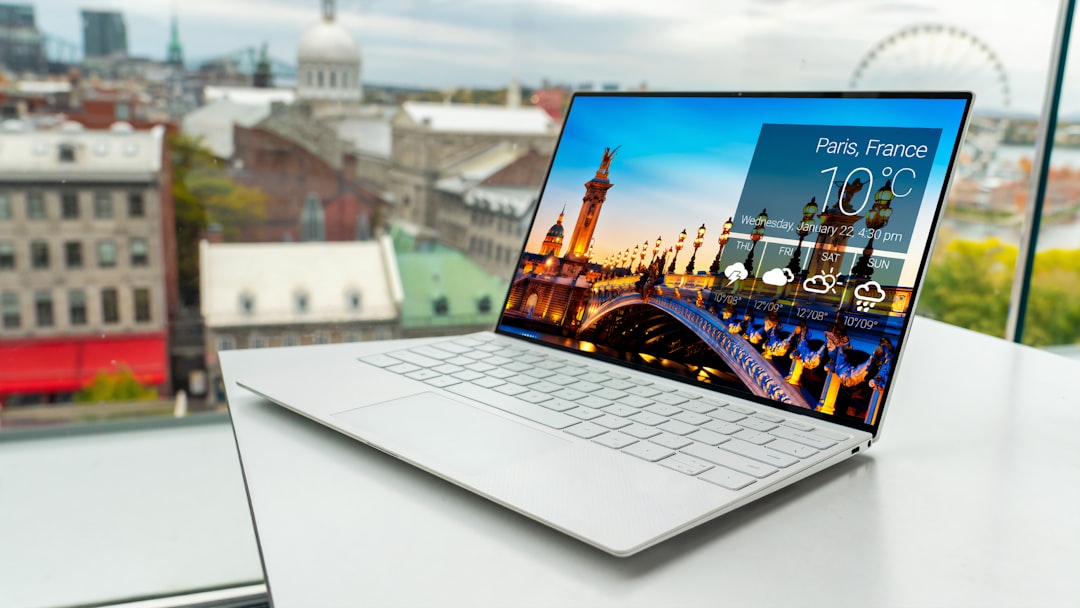
If you travel for work, study, or gaming, a portable monitor can be one of the smartest cheap tech accessories you buy. A good 16" USB monitor gives you a usable second screen without the cost of a new laptop, a hotel business centre, or repeat visits to coworking spaces. For price-conscious travellers, that matters: the right screen can quietly pay for itself by protecting your productivity and reducing friction wherever you work. If you're hunting for more value-first gear ideas, our guide to best budget gaming hardware that still feels premium pairs nicely with this one.
We're also seeing more shoppers compare travel gear the same way they compare deals on electronics and subscriptions: by total value, not just sticker price. That mindset is exactly why a small display can be a money-saver for refurbished vs new laptop buyers, frequent commuters, and anyone trying to avoid replacing perfectly good kit too early. And if your travel plans are tied to working remotely, the broader cost picture matters too — our readers often pair device choices with travel credit hacks and practical portable power station planning to keep trips affordable end to end.
1) Skip the laptop upgrade by adding workspace, not buying more machine
Why a second screen beats a spec bump
Many people think they need a new laptop when what they really need is more visible workspace. A 16" portable USB monitor can transform an older laptop into a better working setup by giving you room for email, spreadsheets, video calls, and research at the same time. That means you can delay a replacement purchase and squeeze more life out of a device you already own. In value terms, that's often the best kind of saving: avoid a big expense rather than shaving a few pounds off a minor one.
For shoppers who like to compare the real cost of ownership, this is similar to the logic in our guide to lowest total cost on a MacBook Air. The cheapest option is not always the one with the lowest upfront price — it's the one that keeps you productive longest with the fewest add-ons. A portable display is especially useful if your laptop still runs fine but feels cramped for multitasking. In that situation, buying a monitor can be a smarter spend than paying for a spec upgrade you may not need.
How it saves money in real life
Consider a freelancer or student on the road with a 13" laptop. Without a second screen, every task becomes slower: documents are hidden behind tabs, Zoom windows cover notes, and file comparison becomes tedious. Over a month, that lost time can mean extra paid hours in a coworking space or more temptation to upgrade hardware. A travel monitor reduces those costs by making a compact setup feel closer to a desktop workflow. That is a real productivity gain, not just a convenience feature.
There is also a hidden saving in reduced mistakes. When you can see the spreadsheet, brief, and calculator at once, you make fewer errors and waste less time correcting them. That is one reason smart shoppers increasingly treat accessories as productivity investments, much like the buyers in our articles on affordable shipping strategies or cloud computing solutions for small business logistics. The principle is the same: a modest tool can remove a recurring cost.
Best for
Frequent travellers, students, remote workers, and anyone still using a decent laptop that just feels cramped. If you already carry a charger, mouse, and a small pouch, a monitor is often the missing piece that gives your setup a major uplift. It's especially effective for people who do admin-heavy work, because those tasks benefit from screen real estate more than raw CPU power. For budget-first buyers, that makes it one of the most practical accessories available.
2) Avoid coworking fees by creating a better hotel-room desk setup
Turn a temporary room into a real workstation
Coworking can be brilliant, but it adds up quickly when you only need a clean desk for a few hours. A portable USB monitor lets you stay productive in a hotel, Airbnb, train lounge, or family guest room without paying for day passes or monthly memberships. If you travel often, the savings can be substantial over a year. Even a few avoided coworking visits each month can cover the cost of the monitor surprisingly fast.
That flexibility is especially valuable in cities where short stays are already expensive. If you're comparing destination options, our short-term stays value guide shows how accommodation choices affect total trip costs, and the same logic applies to your workspace. A portable second screen gives you a private, familiar setup wherever you are. You are effectively taking your desk with you instead of renting one.
Why the hotel room beats the café
Working from cafés often seems cheap until you factor in drink purchases, noise, weak Wi‑Fi, and the time spent relocating. Hotel lounges can be better, but they still don't replace having your own screen. A 16" monitor lets you spread out research and communication tools so you can work through tasks faster and more comfortably. That can mean fewer purchases on the road and fewer impulse decisions made because you're tired, rushed, or distracted.
If you travel with family or share a room, the benefit is even clearer. One person can use the laptop while another watches a show or handles personal admin on the second screen, which reduces the need to buy extra devices for everyone. That is the same cost-avoidance thinking behind our content on choosing internet for streaming and remote needs: spend once on the right enabling tool and avoid a chain of smaller expenses later.
What to pack with it
To make this work smoothly, keep the monitor alongside a short USB-C cable, a folding stand, and a slim cleaning cloth. Small accessories reduce frustration and prevent the sort of travel waste that happens when you need to buy replacements at convenience-store prices. If you want a more comfortable setup for long trips, pair it with a compact mouse and a laptop riser. That combination can make a basic hotel desk feel like a much more expensive workstation.
3) Use it as a travel-friendly Switch display and skip extra entertainment spend
A smarter screen for console and handheld gaming
A portable monitor is not just for work. For many value shoppers, a 16" display becomes a lightweight travel screen for a Nintendo Switch, handheld gaming PC, or other compact device. Instead of paying for a separate hotel TV upgrade, or settling for a tiny handheld screen for every session, you can get a larger, better view at almost no setup cost. This makes the monitor useful for families, gamers, and even long-stay travellers who want entertainment without extra rental fees.
Gaming accessories are often treated as luxuries, but in travel settings they can replace more expensive alternatives. Our guide to budget gaming hardware shows how to find value without sacrificing the experience. A portable screen fits that same philosophy because it expands the usefulness of devices you already own. You don't need to buy a second TV, a docked setup, or a bigger handheld just to enjoy a better image.
How it saves money on the road
When you travel with kids or with a gaming-friendly group, a portable monitor can reduce the need to pay for extra room entertainment. It also helps make downtime more enjoyable without ordering more in-room extras or subscribing to another streaming-enabled device. For adults, that can mean fewer nights spent spending on outside entertainment because the setup in your room is actually pleasant to use. The saving is small each night, but on longer trips it adds up.
There's a practical angle too: a second screen can support local multiplayer, quick setup gaming, and streaming from a compact device without fiddling with permanent hardware. If you're already saving money with deals and bundling logic in areas like new customer deals, applying the same mindset to travel entertainment is a natural next step. Buy once, use many ways, and avoid paying for duplicate screens.
Tips for gaming on a portable monitor
Look for low-latency input and a panel that is bright enough for hotel rooms with mixed lighting. A folding stand or case stand matters because it keeps the screen stable on narrow surfaces like desks, tray tables, or bedside tables. If you travel with a Switch, pack the right cable and power setup so you don't have to buy overpriced replacements at destination shops. The best savings come from planning the full kit, not just the screen itself.
4) Stretch one device across more tasks instead of buying separate gear
Reduce duplicate purchases
Most travellers don't need a full extra monitor at home and another for the road. They need one screen that can travel. That is where a USB monitor shines: it fills the gap between a permanent setup and a laptop-only workflow. By consolidating duties into a single accessory, you avoid buying extra displays, docking stations, or temporary office gear just to stay productive away from home.
This approach is similar to how smart shoppers think about other expensive categories. In our guide to evolving freight rates, the big lesson is to understand hidden cost drivers, not just headline prices. With travel tech, hidden costs often come from duplication: one device for gaming, one for work, one for streaming, one for travel. A portable monitor cuts through that clutter and reduces your overall spend.
Use it for side projects too
It is much easier to manage side hustle admin, invoices, listings, and supplier comparisons when you have a second screen. If you run a small online business from the road, that extra workspace can prevent you from outsourcing tasks or delaying work until you return home. For a value shopper, that means the monitor can support income-generating activity, not just entertainment. A tool that helps you earn is often more valuable than a tool that simply feels nice to have.
That same mindset appears in practical guides like knowledge workflows and low-stress second business ideas. The common thread is efficiency: make one tool do more jobs. A portable monitor does exactly that by giving your laptop a bigger, more flexible work surface anywhere you go.
Best use cases
Side-hustlers, student freelancers, listing sellers, and remote employees working from multiple locations will get the most value. If you frequently compare documents, research deals, or update spreadsheets, the extra screen pays for itself by making those tasks faster. It can also reduce the urge to buy a larger laptop just for better multitasking. That is money saved before you even leave home.
5) A cheaper alternative to a second laptop for family travel and shared use
One screen, multiple people
Families often end up buying more hardware than they need because everyone wants a screen at the same time. A portable monitor can serve as a shared display for one person's laptop, a gaming device, or a media player while another family member uses the main device. That reduces the pressure to buy a second laptop just for travel. It also keeps your packing lighter, which makes every journey cheaper and easier.
If you travel with kids or teens, the monitor can support homework, entertainment, or shared browsing without a full extra computer. That makes it a good companion to other value-focused purchases, especially if you already take a practical approach to household spending. Our content on smart shopping when prices change and eating well on a budget follows the same principle: buy the thing that solves the problem, not the thing that looks most complete.
Less device sprawl, fewer replacements
Fewer devices also means fewer chargers, fewer cases, and fewer things that can break or go missing. That matters on road trips and flights, where lost accessories turn into expensive replacements. A portable monitor often uses USB-C, which helps keep your kit simple and reduces the need to carry proprietary power bricks. Simpler travel gear usually means lower total spend over time.
Families can also use the display to create a temporary second work or play zone in small accommodation. That flexibility can reduce the need to book a bigger room or upgraded suite just for a bit more space. The saving may be modest on one trip, but when you travel repeatedly, it becomes a meaningful budget lever. For readers who care about total value, this is a classic example of spending smarter rather than spending more.
6) Make better use of low-cost accommodation and awkward spaces
Work anywhere with a flat surface
Travel doesn't always come with a proper desk, and that's where portable displays earn their keep. They work in places that were never designed as offices: kitchen tables, bunk beds, café booths, train tables, and tiny hotel desks. That means you can stay productive in cheaper accommodation rather than paying more for a room with a dedicated workspace. It's not glamorous, but it is efficient.
The ability to adapt is useful in the same way that travellers use in-flight entertainment planning or smart layover packing to improve the experience of a long journey without overspending. Portable tech is all about reducing friction. When your workspace fits the space you actually have, you avoid paying for premium accommodation features you won't really use.
How to judge whether the room is worth it
Before booking, ask whether you need a larger room or simply better gear. In many cases, a portable monitor plus a laptop stand makes a budget room fully workable. That can save you from moving up a room category just to get a desk and usable layout. Once you think in those terms, the monitor becomes a trip-saving tool rather than an accessory.
It also supports last-minute trips, where you may not have many booking options. A small monitor can rescue a room that otherwise feels unusable for work, especially if the lighting is decent and you have a stable table. If you travel for conferences, market visits, or short project work, this can be the difference between paying more for comfort and simply making your current setup better.
Practical packing checklist
Pack the monitor in a padded sleeve, carry one reliable cable, and keep a slim stand in the same compartment. Add a power bank if you know you'll be working in transit or in places with limited plugs. For shoppers who care about reliability, it is worth choosing the right accessories once rather than buying replacements repeatedly during trips. That's a classic money-saving move.
7) Use it to protect your productivity on business trips and save on lost time
Time is a cost, even when you don't see it on the bill
A portable monitor can save money by reducing wasted time. If a second screen helps you finish reporting, editing, or admin tasks faster, that can reduce the number of hours you need to work in paid spaces or the amount of overtime you burn through. For consultants, creators, and sales teams, time saved often translates directly into money saved. It also lowers stress, which makes travel days more efficient and less prone to expensive mistakes.
This is where a data-minded approach matters. Similar to how readers use transparent product analytics or actionable telemetry to improve decisions, you can measure whether the second screen meaningfully improves your output. If you complete more work in less time, the monitor is paying you back in productivity. That is often a better return than chasing a small cashback offer.
Better for meetings, research, and admin
Business trips usually involve jumping between calendars, docs, notes, maps, emails, and booking tools. On one screen, that becomes a constant shuffle. With two screens, your meeting window can stay open while your notes or reference files sit beside it. That smoothness can reduce follow-up errors and the need for repeated corrections, which is another hidden saving.
If you also manage travel bookings and loyalty accounts carefully, the savings compound. Guides like Capital One portal hacks show how small optimisations add up across a trip. A portable monitor is the hardware version of that philosophy: one modest purchase that prevents multiple future inefficiencies.
When it is most worth it
The more screen-heavy your work, the more value you extract. Content editors, analysts, project managers, and online sellers will usually see the fastest payback. If you mostly answer messages and browse, the benefit may be smaller, but it still helps when you're travelling with limited space. The monitor becomes especially compelling if you work from different places every month.
8) Keep your setup light so you can travel cheaper and pack smarter
Light gear lowers travel friction
A portable USB monitor is useful because it is easier to carry than a full-size display, and far easier than a second laptop. That means fewer baggage headaches, fewer packing decisions, and lower odds of forgetting something expensive at home or in a hotel. The more compact your kit, the easier it is to choose cheaper transport and simpler accommodation because you are less dependent on a full office setup. Lightweight gear supports cheaper trips.
This idea shows up across a lot of smart consumer decisions. Whether you are comparing travel packing strategies, choosing a power station, or deciding whether to lease or buy under pressure, the best choice is usually the one that reduces future friction. The right portable monitor keeps your travel stack lean while still giving you real desktop-like benefits.
Choose durability over flashy extras
When buying cheap tech accessories, it is tempting to focus on specs and ignore build quality. But a flimsy monitor that fails early is no bargain. Look for a solid case, stable stand support, dependable USB-C compatibility, and a brightness level that works in real-world indoor light. Paying a little more for reliability can be cheaper than replacing an underbuilt screen twice.
That same thinking applies to other practical purchases, from gear maintenance to packaging procurement. Cheap is only cheap if it lasts. A portable monitor should be judged by whether it stays useful across hotels, cafés, trains, and home use, not by whether it looked like the lowest price on day one.
What to look for before you buy
Check the weight, included cables, case design, and whether it supports the devices you actually carry. If you use a laptop, phone, or handheld console, confirm compatibility first so you don't end up spending extra on adapters. A good travel monitor should reduce the number of things you need, not increase them. That's the mark of a genuinely money-saving accessory.
9) Compare the real value: portable monitor versus common alternatives
Before buying, it helps to compare the monitor against other typical travel work and entertainment solutions. The best option is not always the cheapest item on the shelf; it is the one that solves the most problems across the longest period of time. In many cases, a 16" portable USB monitor outperforms temporary coworking, a bigger laptop, or a second entertainment device. Here is a simple comparison to help value shoppers see the difference clearly.
| Option | Upfront cost | Ongoing cost | Best for | Value verdict |
|---|---|---|---|---|
| 16" portable USB monitor | Low to moderate | Very low | Work, gaming, travel flexibility | Strong value if used weekly |
| New laptop upgrade | High | Low | Performance-heavy tasks | Only worth it if your current laptop is failing |
| Coworking day passes | Low per visit | High over time | Occasional focused work | Poor long-term value for frequent travellers |
| Hotel TV upgrades / extra rooms | Medium to high | High on each trip | Entertainment and family use | Convenient, but expensive compared with a monitor |
| Second laptop for travel | High | Medium | Shared or backup use | Useful, but often overkill |
This comparison shows why a portable display is such a good bargain-hunter purchase. It delivers many of the benefits of more expensive alternatives without locking you into recurring costs. If you're already careful with deals on fashion rentals, new customer deals, or shipping efficiencies, this is the same kind of value play in hardware form.
10) What a smart buyer should check before clicking buy
Compatibility and power
Make sure the monitor works with the devices you travel with most often. USB-C is ideal because it simplifies the setup and can reduce cable clutter, but some devices may still need adapters or a separate power source. Check whether your laptop, tablet, or handheld console can output video through the port you plan to use. Avoiding compatibility mistakes is one of the easiest ways to stop a cheap purchase becoming an expensive lesson.
Also consider where you'll use it. A monitor that looks great at home but struggles in bright rooms may disappoint on the road, where lighting conditions vary. Practical buyers think about the real environment first and the spec sheet second. That approach is more consistent with saving money because it reduces the chance of returning, replacing, or upgrading the item too soon.
Size, brightness, and stand design
A 16" panel is a strong sweet spot for travellers because it is large enough to be useful but still compact enough to pack. Brightness matters if you will use it in cafés, hotel rooms, or daylight near a window. A solid built-in stand or case is just as important because a wobbly display becomes annoying fast and can make the whole purchase feel less valuable. Good ergonomics are part of good economics.
If you're choosing between similar models, prioritise the one that fits your routine over the one with the most marketing claims. This is the same mindset we recommend in guides on total cost of ownership and cost drivers. A monitor is only a bargain if it saves you time, avoids extra purchases, and works well in the places you actually travel.
Final buyer checklist
Before buying, ask yourself five simple questions: Will this let me delay a laptop upgrade? Will it reduce coworking visits? Will I use it for Switch or handheld gaming as well as work? Is it easy to pack and power? Will it last long enough to make the purchase worthwhile? If the answer is yes to most of these, you have probably found a very sensible deal.
Pro tip: The best travel monitor is not the one with the most features, but the one you will actually bring on every trip. A slightly less flashy screen that fits your bag and setup can save more money than a pricier model you leave at home.
Frequently asked questions
Is a portable monitor really worth it if I already have a decent laptop?
Yes, especially if your laptop is fine but feels cramped. A portable monitor adds workspace without forcing a full hardware upgrade, which is usually the cheapest way to improve productivity. If you work in spreadsheets, documents, or multiple tabs, the difference can be immediate.
Can I use a 16" portable USB monitor with a Nintendo Switch?
Often yes, as long as you have the right cables and power setup. Many travellers use portable monitors as a Switch display because they are lighter and more flexible than a hotel TV. Always check compatibility before buying so you know what adapters you need.
Does a portable monitor save money compared with coworking spaces?
Usually it does if you travel regularly. One affordable monitor can replace repeated day passes or café purchases, and it gives you more control over where and how you work. Over time, the savings can outweigh the initial purchase price by a wide margin.
What makes a portable monitor a good travel accessory?
Light weight, USB-C support, decent brightness, and a strong stand or case are the main features. The best travel monitor is compact enough to pack but useful enough that you use it often. If it improves both work and gaming, that doubles its value.
Should I buy a portable monitor or a second laptop?
For most travellers, a portable monitor is the better value. A second laptop is more expensive, adds more weight, and duplicates hardware you may not need. Buy a second laptop only if you truly need separate machines for security, performance, or heavy independent use.
Bottom line: the cheapest road setup is often the smartest one
A 16" portable USB monitor is one of those rare purchases that can save money in several directions at once. It can delay a laptop upgrade, replace coworking visits, improve hotel-room productivity, and make Switch or handheld gaming more enjoyable without extra gear. For deal hunters, that's exactly the kind of accessory worth watching. If you want more practical value plays, explore our picks on high-value new customer deals, buying refurbished vs new, and smart travel credit use to keep every trip affordable.
The real win is not owning more tech; it is making the tech you already have do more work. That is the mindset that saves money on the road and keeps your setup simple, flexible, and ready for the next trip.
Related Reading
- Best budget gaming hardware that still feels premium in 2026 - Affordable picks that punch above their price for gamers.
- Refurbished vs New: How to Get the Lowest Total Cost on a MacBook Air M5 - Learn when a cheaper laptop beats buying new.
- How TPG Staff Maximize Travel Credits - Simple ways to stretch your travel budget further.
- How to Pick the Right Portable Power Station - A practical guide to powering gear away from home.
- New Customer Deals That Offer the Most Value in 2026 - See which sign-up offers are actually worth your time.